
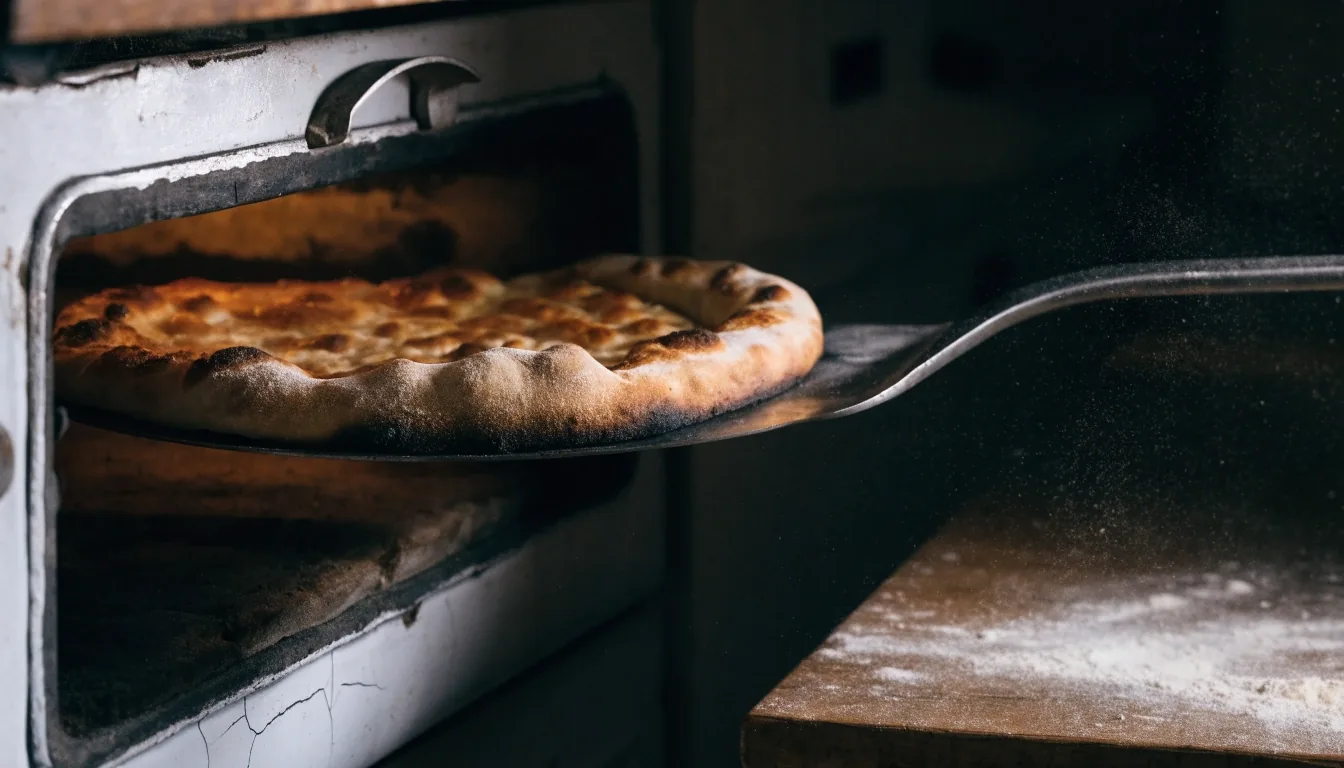
Pizza Styles Guide · Acf-P Pizza Academy, Chicago
Compare pizza styles before you pick one
Regional pizza styles differ in ways you can taste and in ways you can feel while shaping. This page compares the styles we teach so you can decide which one to learn first — Detroit-style pizza or Chicago thin for most beginners, but your oven, your schedule, and what you actually like to eat decide the rest.
What the letters on the field name
Why style matters more than recipe
Two pizzas can share a dough formula and still come out completely different because of pan, heat, and timing. Style is the set of decisions around the dough, not just the dough itself.
That is why learning one style properly teaches you more than sampling five in a month. Once you understand why Detroit-style cheese caramelizes against a pan edge, you understand something about heat transfer that carries into every other style you bake. You stop chasing recipes and start reading what the dough is doing.
The same logic runs the other way. If a Neapolitan bake collapses in a home oven, it is usually not the flour. It is the fact that a domestic oven cannot hold the heat a true Neapolitan bake assumes. Choosing a style your kitchen can actually deliver is the difference between a good first attempt and a frustrating one.
See what dough and oven setup each style needsDetroit-style pizza
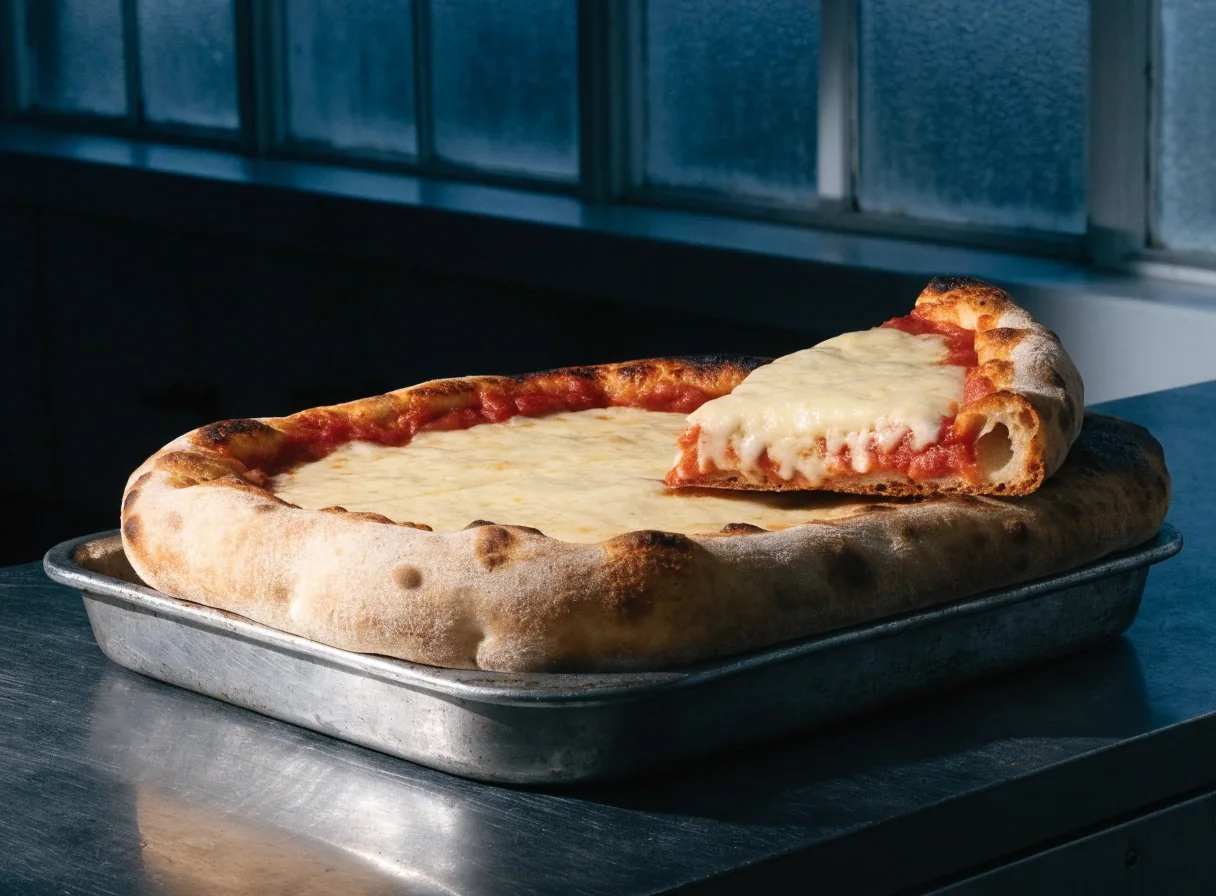
Detroit-style pizza is a thick, rectangular format baked in a pan, with cheese pushed to the corners so it fries against the metal and caramelizes. It has moved into stronger consumer awareness in recent trend reporting and entered the top five in 2026 style rankings, which matches how often it comes up in class.
For a home baker it is forgiving: the pan holds the shape, so you are not fighting a round stretch. It also photographs well, which is not a baking reason but is a real reason people try it first.
What you actually learn here is heat transfer. Cheese laid against metal behaves differently than cheese laid on dough, and once you have watched that edge caramelize, you will read every future bake differently.
Wood-fired pizza
Wood-fired pizza usually means high heat, a fast bake, and a blistered crust with a distinct aroma. It is named in current trend coverage as a style consumers actively seek out, and it carries a premium feel in both restaurant and home-pizza content.
At home you are translating the result rather than the equipment. A very hot steel and a short bake get you a blistered crust and a fast set, which is most of what people mean when they say wood-fired finish.
See the wood-fired translation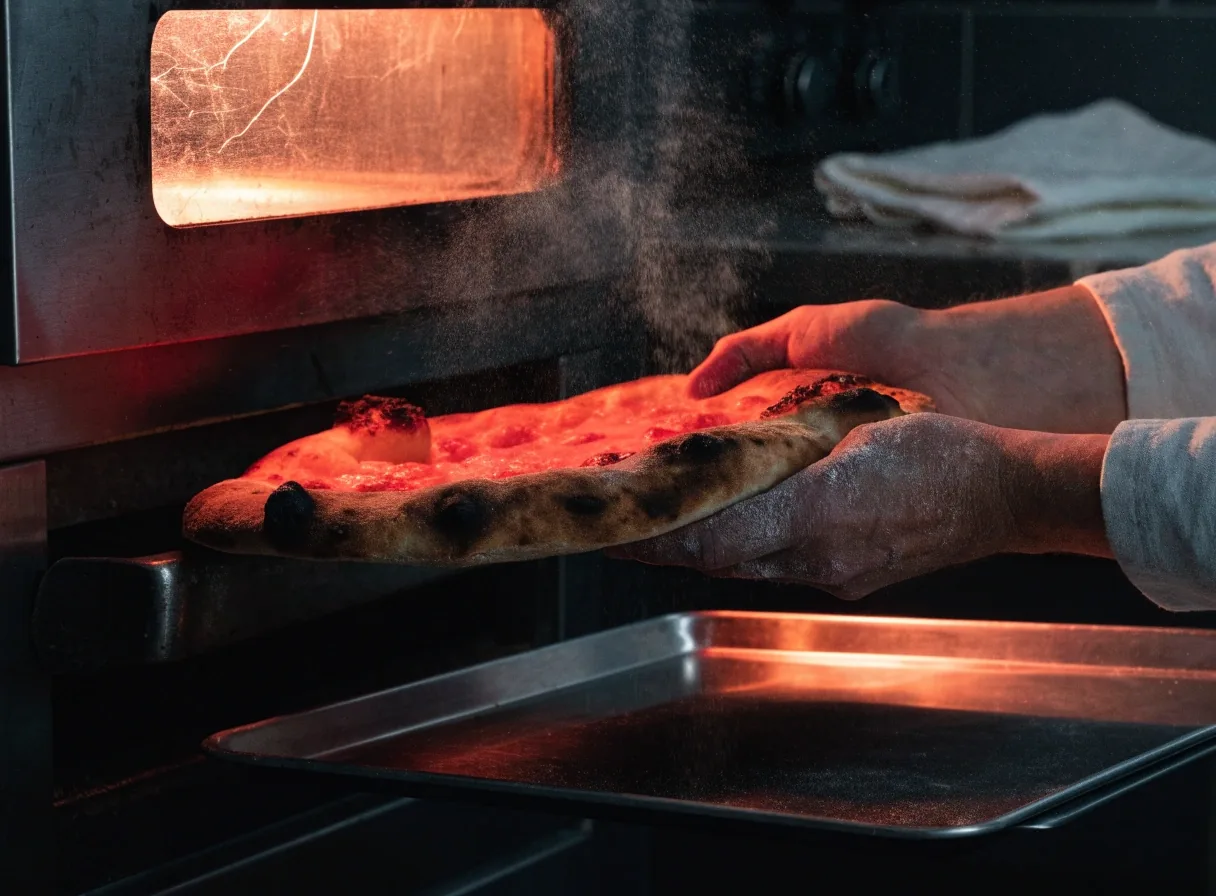
What you will not get at home
The smoke. It is better to know that up front than to chase it with a kitchen that cannot produce it. The blister, the fast set, and the aroma from a well-fermented dough are all reachable — the wood smoke is not.
Roman-style pizza
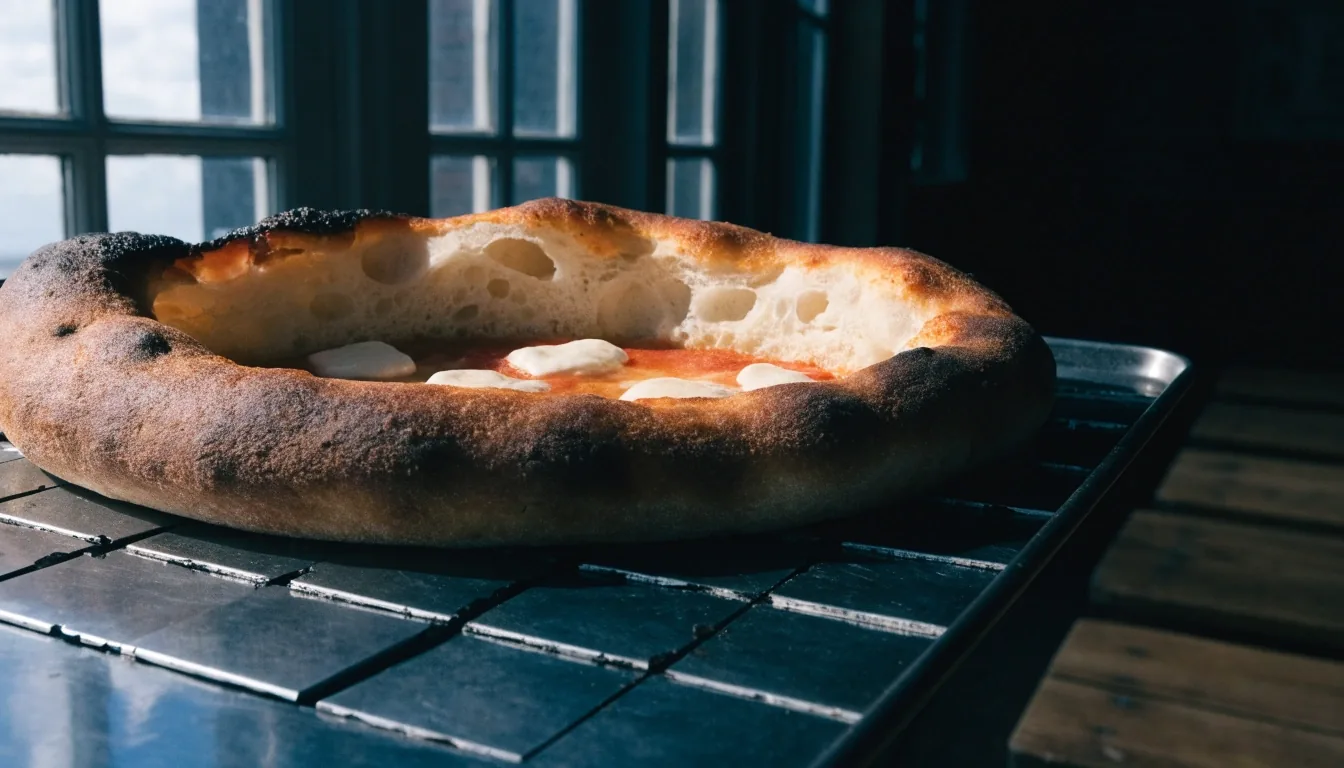
Roman-style pizza is a longer ferment with a crisper, lighter base, often baked in a sheet pan and cut into squares. Trend coverage has highlighted Roman-style crusts as a growing artisan option alongside wood-fired.
The trade-off is time: this dough wants a two-day window, and rushing it produces a flat, dense base. In exchange you get a crust that holds heavier toppings without going soggy, which makes it a good choice for feeding a table.
If you already bake bread
Roman-style will feel familiar. The long ferment, the feel of a high-hydration dough, the patience it asks for — these are bread skills, and they transfer directly to the sheet pan.
Chicago thin pizza
Chicago thin pizza is rolled thin, baked hot, and cut into squares. It is distinct from deep dish and from New York-style, and trend reporting has noted it rising into the top tier of America's pizza styles in 2026.
The dough is lower hydration, which makes it easier to roll than to hand-stretch, and that suits cooks who find round shaping the hardest part of the process. It bakes quickly, so it is a realistic weeknight option once you have the dough ready.
Try Chicago thin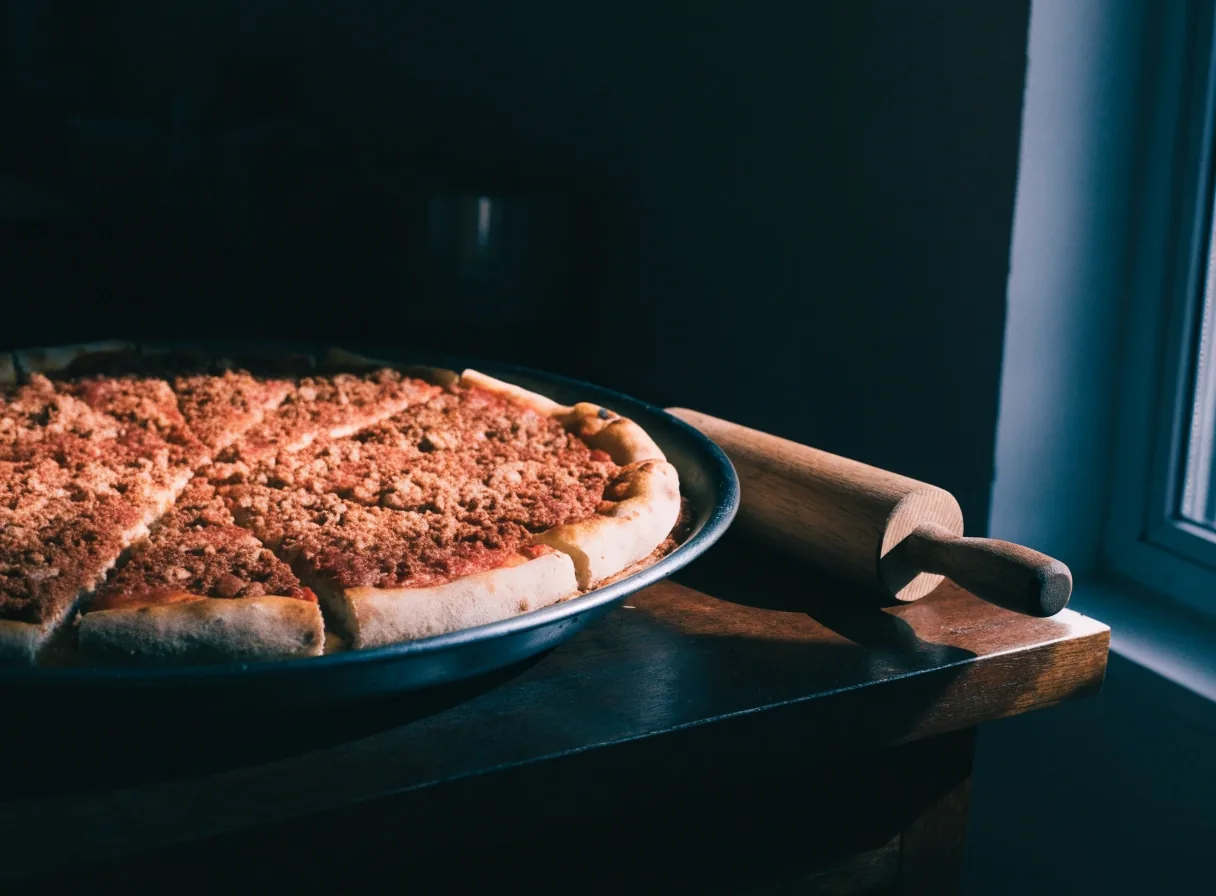
Neapolitan and New York, in brief
Neapolitan-style pizza assumes very high heat and a short bake, which is difficult to reproduce in a domestic oven without equipment most homes do not have. New York-style sits in the middle: a medium-thickness base, a foldable slice, and a bake that a home oven can handle with a steel.
Some class listings reference Naples-inspired methods and regional Italian pizza history, and that context is worth knowing, but for a first style at home, New York-style is more forgiving than a true Neapolitan bake.
The short version
If you own a standard home oven, you can chase New York-style tonight. Chasing a true Neapolitan bake without a dedicated high-heat oven means chasing a result your equipment is not built to deliver — and that is a disappointing first project, not a learning one.
Comparison by effort and equipment
Here is the practical comparison, stated plainly. Read the effort column first, then the equipment column — most people overestimate how much gear they need and underestimate how much time the dough wants.
Which style to learn first
If you want the fastest success, start with Chicago thin or Detroit-style pizza. If you want the most impressive result for a table, Roman-style or Detroit-style. If you are chasing the blistered, high-heat look, go with the wood-fired translation and accept that the smoke is out of reach at home.
If you already bake bread confidently, Roman-style will feel familiar. Whichever you choose, bake it three times before you judge the style, and only change one variable at a time.
Pick the style that matches your kitchen and your week, not the one that photographs best. A style you can bake on a Tuesday is a style you will actually learn.
How the styles connect
Styles are not isolated. A cold ferment pizza schedule helps every one of them. Learning to read dough tension in a Detroit-style pan makes shaping a round pie easier later. The sauce decisions differ more than the dough decisions in some cases, which is why we teach sauce and topping timing alongside each style rather than as an afterthought.
Pick one, learn it properly, then let the skills carry across. The second style you learn will take a fraction of the time the first one did, because most of what you are building is judgement, not muscle memory.
Questions we get in class
These come up in every session. If yours is not here, the contact page is the fastest route — we answer Monday to Friday, 9:00 AM to 6:00 PM.
Acf-P Pizza Academy
1290 North Wells Street, Chicago, IL 60610, USA
+1-312-555-0723
Which style should a total beginner pick?
Chicago thin or Detroit-style pizza. Chicago thin has the easiest shaping of the set because you roll it rather than stretch it. Detroit-style has the most forgiving structure because the pan holds the shape. Both give you a finished pizza on your first serious attempt.
Do I need a pizza oven to learn any of this?
For four of the five styles here, no. A standard home oven with a preheated steel handles Detroit-style, Chicago thin, Roman-style, and the wood-fired translation. Only a true Neapolitan bake assumes the kind of heat most homes do not have.
Can I learn two styles at once?
You can, but you will learn both more slowly. Style is a set of decisions around the dough, and juggling two decision sets at once makes it harder to tell which change caused which result. Learn one, then the second takes a fraction of the time.
How many times should I bake a style before judging it?
Three. Change one variable at a time between bakes so you know what moved the result. If you change the flour, the hydration, and the bake time at once, you have no way to tell which one helped.
Where to go once you have picked a style
Start with a recipe
Written formulas with hydration, ferment windows, and bake temperatures for each style on this page.
Browse the recipe collectionBake it with hands on yours
Small-group sessions at the Chicago bench, where shaping and pan work are corrected as you go.
See the masterclassesSort your oven first
Steel or stone, preheat timing, and why bottom heat decides more than top heat at home.
Dough and oven basicsNot sure which style fits your kitchen? Tell us what you bake with and we will point you at the right first project.
Ask us which style to start with