
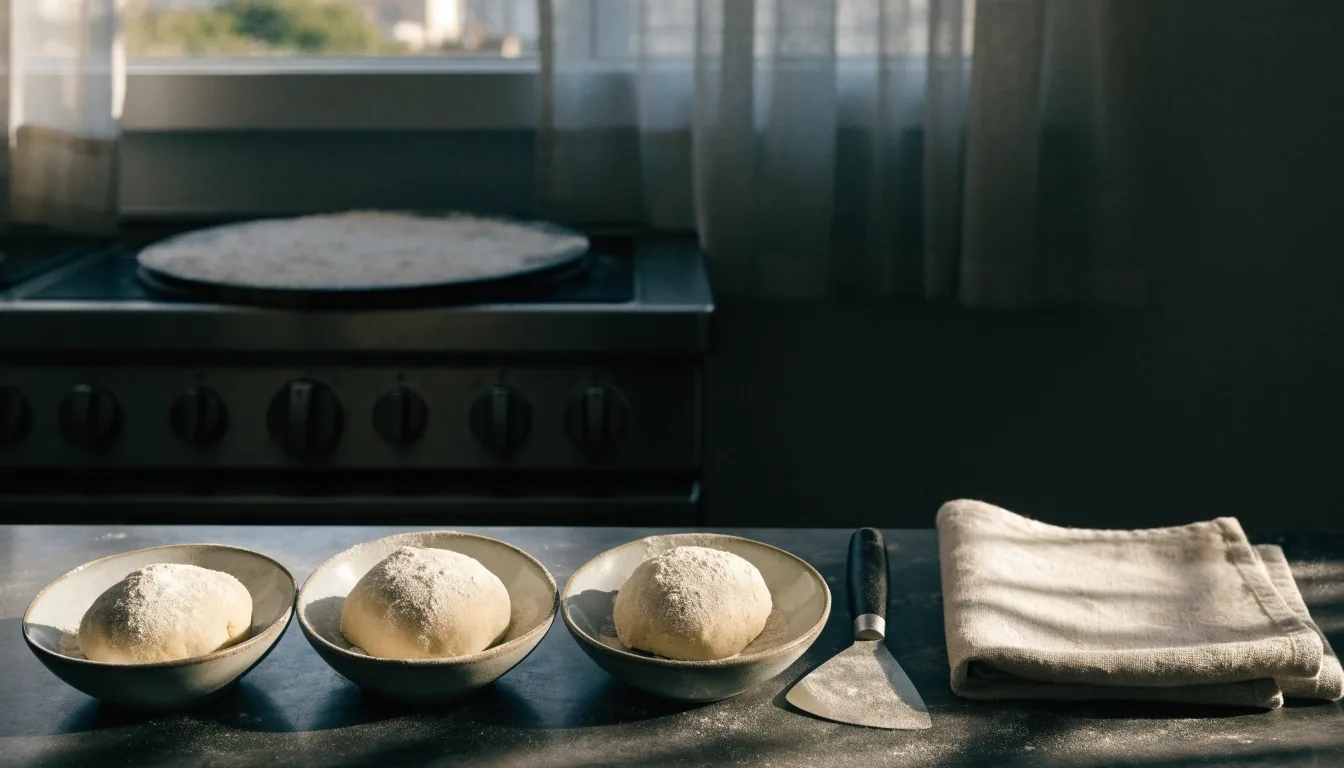
Choose your artisan pizza recipe pack
Every pack is a complete method, not a single recipe card. You get a dough formula, a fermentation schedule, a shaping walkthrough, and the baking setup for a standard home oven.
How the packs are organized
Each recipe pack lists three things up front: the style, the skill level, and the equipment it assumes. Read those three lines before the photograph and you will rarely buy the wrong pack.
A pack marked beginner assumes no peel, no steel, and a normal oven. A pack marked advanced may assume you already own a pizza steel and a bench scraper. If you have never made a yeasted dough, start with the beginner pack and read the dough and oven basics guide alongside it. If you bake bread already, skip ahead to the intermediate styles — the fermentation language will feel familiar.
Read the dough and oven basics guide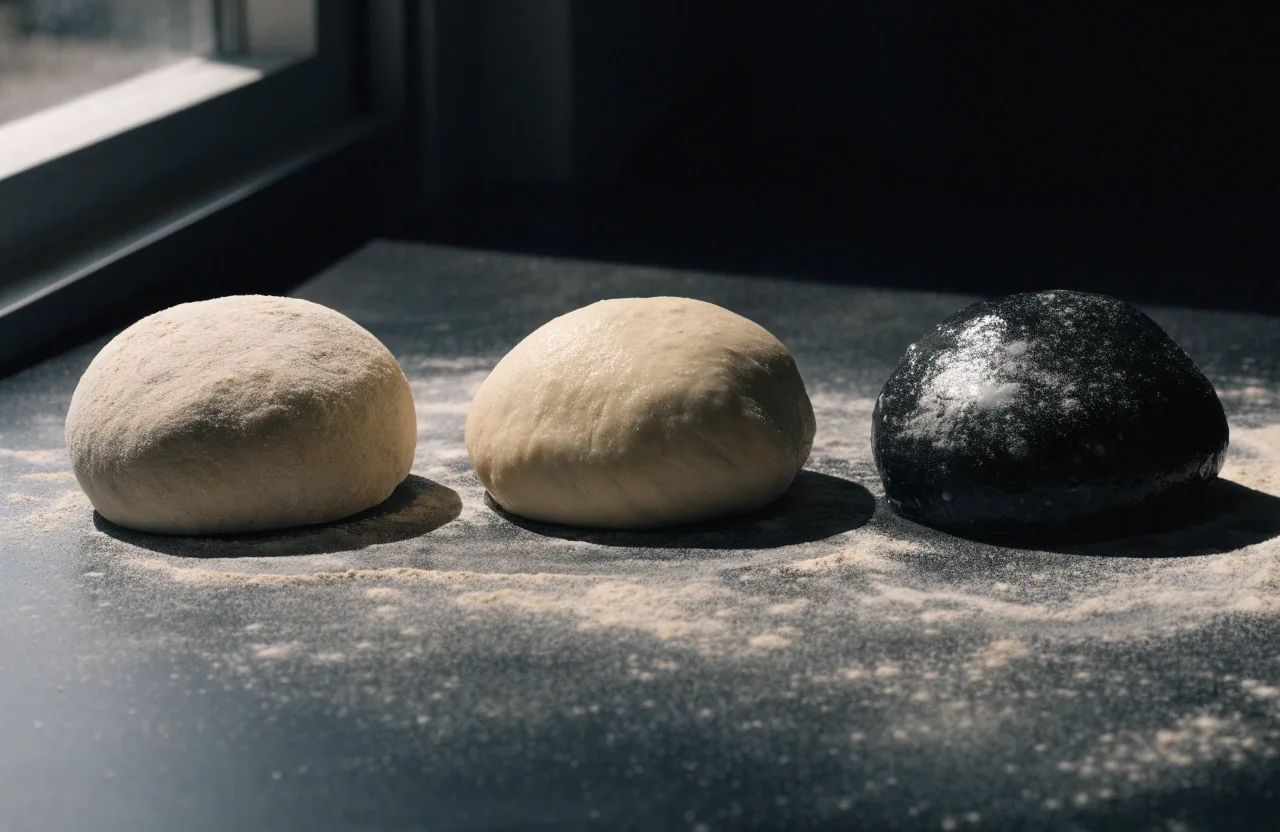
Hydration changes what the dough does under your hands
Higher hydration gives you a more open crumb and a lighter base, and it also gives you a dough that fights back on the bench. The packs tell you which one you are buying.
The packs, by style
Five formats cover almost everything a home oven can do. Each row gives you the style, the honest skill label, and the setup it assumes — then a link to the pack itself.
The beginner pack
Beginner · no peel, no steel, normal oven
This is where most people should start. One dough, one schedule, one bake. You mix in the evening, refrigerate overnight, and bake the following day. The formula uses a moderate hydration so the dough is easy to handle, and the shaping instructions assume no experience at all. The point of this pack is a finished pizza you are happy with, not a perfect one. Once you have baked it twice, the dough stops feeling unpredictable and starts feeling like a routine you can move around your week.
See the beginner packDetroit-style pizza
Beginner · rectangular pan, no peel
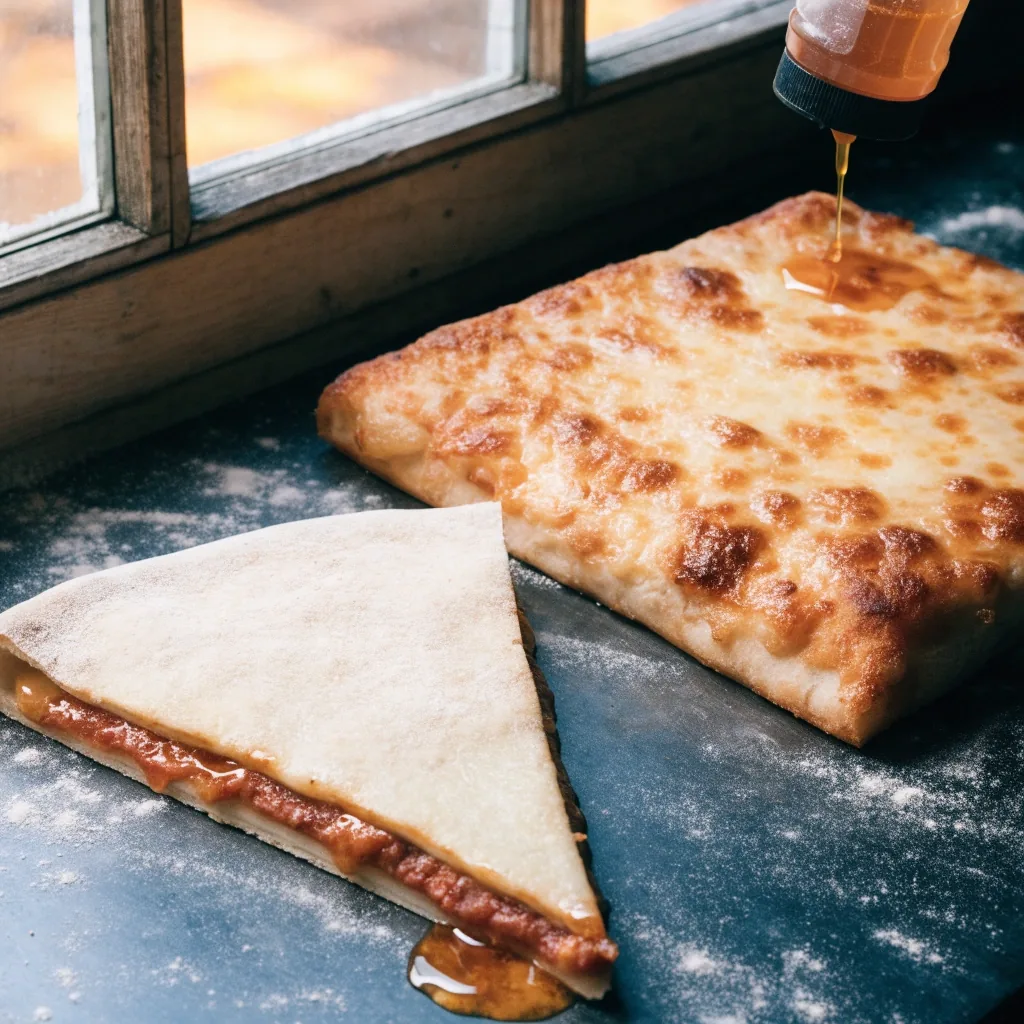
A rectangular, thick-crust format with cheese pushed to the edges of the pan, where it caramelizes against the metal. The caramelized cheese edge is the signature, and it is genuinely hard to get wrong once the pan and the dough are right. The pack covers pan selection, cheese placement, sauce timing, and why you sauce this style after the bake rather than before. It is a forgiving first style for anyone nervous about shaping a round pie, and it is the most common second pack students buy.
Browse Detroit-styleWood-fired style at home
Intermediate · pizza steel or very hot stone
A true wood-fired bake means high heat and a fast bake, usually under two minutes, which produces a blistered crust and that pizzeria aroma. Your home oven will not hit those temperatures. This pack translates the result rather than the equipment: a very hot steel, a short bake, a lean dough, and a sauce that stays bright instead of cooking down. You get the blister and the fast bake, just with a longer preheat and a different heat source. Students who want the wood-fired finish without a wood oven tend to like this one.
Compare all pizza stylesRoman-style pizza
Intermediate · sheet pan, two-day window
A longer ferment and a crisper, lighter base, often baked in a sheet pan and cut into squares. The dough needs more time than the beginner formula, so plan for a two-day window before you commit to it. In exchange you get a crust that holds up under heavier toppings without going soggy. Roman-style crusts have grown into a recognized artisan option, and this is a good second style for anyone who already has the beginner dough working reliably.
Plan a two-day fermentChicago thin pizza
Beginner to intermediate · steel recommended
Rolled thin, baked hot, and cut into squares. It is not deep dish, and it is not New York-style, and the confusion is worth clearing up before you buy. The dough is lower hydration and easier to roll than to stretch, so it suits cooks who find round shaping frustrating. Bake it on a steel if you have one, because the thin base needs fast bottom heat to crisp instead of drying out.
Browse the thin-crust packEquipment you do and do not need
A digital scale is the one piece of equipment worth buying before anything else, because measuring flour by volume is unreliable and quietly changes every bake. A pizza steel gives the best bottom heat for a home oven. A bake stone works too, and plenty of cooks already own one sitting in a cupboard.
A peel helps, but a rimless baking sheet can stand in while you practice the transfer. You do not need a dedicated pizza oven to start, and no pack on this page assumes one. If you are deciding what to buy, the dough and oven basics guide walks through the trade-offs between stone, steel, and a plain sheet pan.
Weigh stone against steel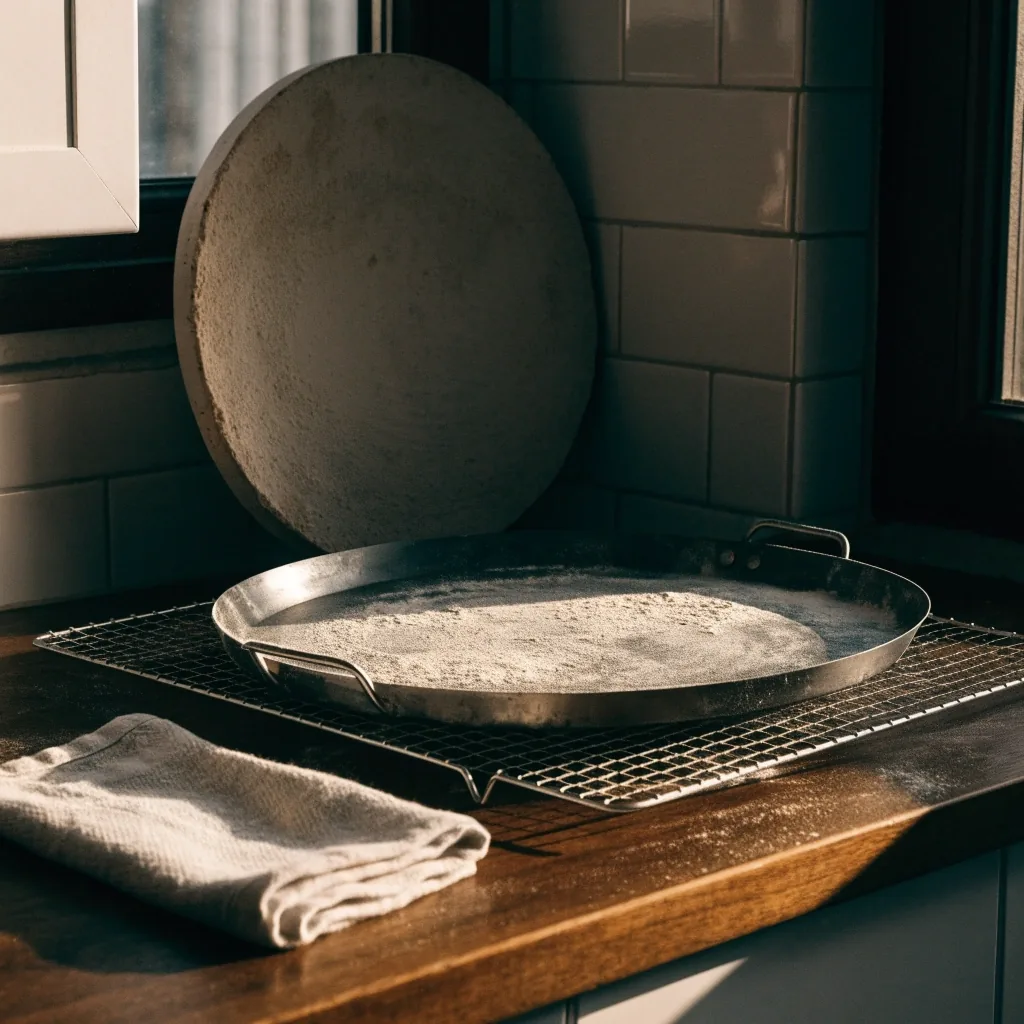
Steel holds heat longer; a stone is often already in the kitchen
Skill levels, honestly labeled
What the label measures
We label packs beginner, intermediate, or advanced based on the dough handling and the schedule, not on how impressive the finished pizza looks. That distinction matters more than it sounds.
Looks can mislead
A Detroit-style bake can look dramatic and still be a beginner pack. A high-hydration dough can look plain and be genuinely difficult to shape on a humid day.
When you are between levels
Take the lower one, bake it once, then move up. That path causes fewer ruined dinners than buying a level above where your hands currently are.
Read the skill label before the photograph. The photograph was taken on the best day.
Combining packs
Most students buy two packs at some point: one reliable weeknight style and one project style for a weekend. A common pairing is the beginner dough for Tuesday and Detroit-style pizza for Saturday, because the two schedules do not compete for fridge space.
If you are not sure which second pack fits, ask us before you buy and we will point you to the one that matches your oven and your patience. Answering that question takes us a minute, and it saves you a pack you would not have baked.
What each pack includes
Every pack ships with the same skeleton, filled in for its own style. Nothing is a template with the name changed.
Updates are free
When a formula or a baking note gets revised, you get the revision. You do not buy the same pack twice.
Dough formula by weight
Grams for every ingredient, scaled to the number of pizzas you want
Fermentation timeline
A schedule you can shift earlier or later without breaking the dough
Shaping walkthrough
The common failure points named before they happen, with the fix beside each one
Sauce and topping guide
Written for that one style, including when to sauce and when to hold the sauce back
Baking notes by surface
Separate guidance for a stone, a steel, and a plain sheet pan
Where your kitchen changes the answer
We give the range instead of a single number when your oven decides
Picking your first pack
What do you most want to eat?
If it is a thick, cheesy square, Detroit-style. If it is a crisp cracker base, Chicago thin. If it is a blistered round with a chewy edge, the wood-fired method.
How much time between mixing and baking?
One evening points to the beginner pack. A weekend opens Roman-style or Detroit-style. Wanting the least dough handling points to Chicago thin.
Then bake it three times
Judge a pack on the third bake, not the first. Dough responds to your kitchen, your flour, and your fridge temperature, and it takes a couple of rounds to settle.
Questions before you choose
These come up in class often enough to write down. If yours is not here, call the studio or send a note and we will answer it plainly.
Acf-P Pizza Academy
1290 North Wells Street, Chicago, IL 60610
+1-312-555-0723
Monday to Friday, 9:00 AM – 6:00 PM
Do I need a pizza oven to bake these?
No pack on this page assumes a dedicated pizza oven. The wood-fired method is the closest to needing specialized heat, and it still runs on a very hot steel in a normal oven with a longer preheat. If you own neither a steel nor a stone, start with the beginner pack and a plain sheet pan.
What is the difference between Roman-style and Detroit-style?
Both bake in a pan, and they are not the same. Detroit-style is thick and cheesy with the cheese taken to the pan edges, and it is sauced after the bake. Roman-style is a longer ferment with a crisper, lighter base, sauced before, and it holds up better under heavier toppings. Roman-style asks for a two-day window; Detroit-style does not.
Which pack suits a high-hydration dough?
The wood-fired method uses the leanest, wettest dough of the five, and it is the one that will teach you the most about handling a soft dough quickly. If a high-hydration dough has beaten you before, bake the beginner formula twice first so your hands know what a manageable dough feels like before you raise the water.
How do I know which skill level to buy?
Read the label, not the photograph. The label reflects dough handling and the length of the schedule. If you are between two levels, take the lower one and bake it once before you move up. A pack you finish is worth more than a pack that defeated you on a Tuesday night.
Can I ask for help before I buy?
Yes, and it is the fastest way to buy the right thing. Tell us your oven, what equipment you own, and how much time you have between mixing and baking, and we will point you at one pack instead of three. Reach us at the contact page or call the studio during working hours.
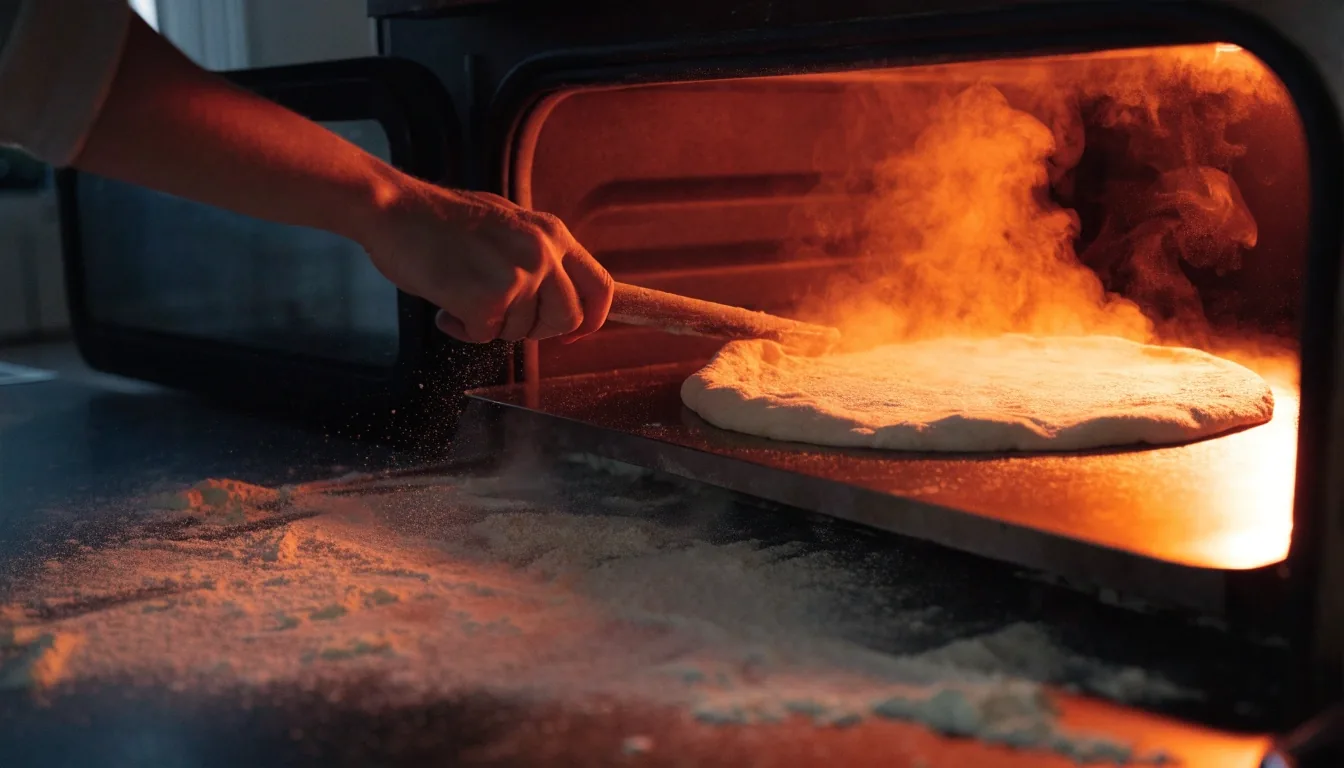
Start with one pack this week
Pick the style you actually want to eat, check the skill label, and bake it three times before you judge the method. If you would rather learn it in person at the studio on North Wells Street, the masterclasses page shows what a session covers.
Questions about a pack before you buy? Call +1-312-555-0723, Monday to Friday, 9:00 AM – 6:00 PM.